Social Media Analytics Guide: Metrics That Actually Matter
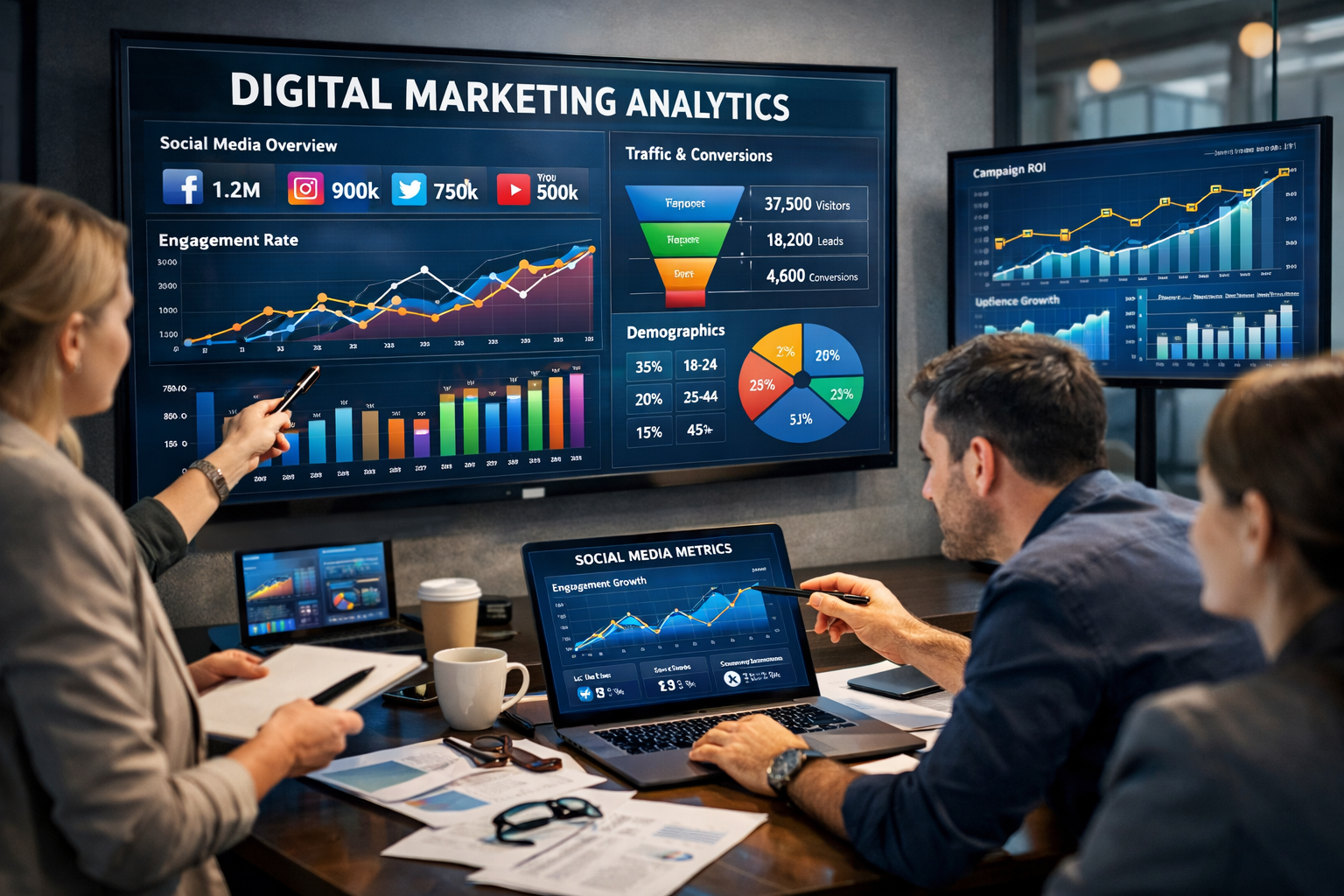


Why Most Social Media Metrics Mislead Your Strategy
Scrolling through dashboards filled with likes, shares, and impressions can feel productive, but do those numbers actually help your business grow?
Many marketers focus on vanity metrics that look impressive but fail to drive meaningful results. The outcome is often misguided strategies, wasted budget, and missed opportunities.
A strong social media analytics guide focuses on what truly matters, metrics tied to real business outcomes like leads, conversions, and revenue.
When you learn how to analyze social media effectively, you can:
- Make smarter marketing decisions
- Improve campaign performance
- Allocate budget more efficiently
- Drive measurable business growth
This guide will show you how to focus on the right social media metrics and turn data into action.
Understanding Social Media Analytics and Why Metrics Matter
Social media analytics is the process of collecting, measuring, and interpreting data from social platforms to improve marketing performance.
A structured social media analytics guide helps you move beyond surface-level numbers and focus on insights that actually impact your business.
Without proper social media monitoring and analysis, it’s difficult to know:
- Which content resonates with your audience
- Which platforms generate real engagement
- Where your marketing efforts are underperforming
- How social media contributes to revenue
Key benefits of using analytics include:
- Better audience targeting
- Improved content performance
- More efficient budget allocation
- Increased ROI
- Stronger alignment with business goals
You can also explore real campaign execution examples in our marketing work portfolio to see how data-driven strategies perform.
How to Use Social Media Analytics to Track What Matters
Define Clear Business Goals First
Every effective social media analytics guide begins with clear goals.
Ask yourself:
- Are you trying to generate leads?
- Increase brand awareness?
- Drive website traffic?
Each objective requires different social media metrics.
Examples:
- Lead generation → conversion rate, cost per lead
- Brand awareness → reach, impressions
- Engagement → comments, shares, saves
Clear goals ensure your analytics lead to meaningful decisions.
Identify the Metrics That Actually Matter
Not all metrics provide value. Focus on those that drive outcomes.
Important metrics include:
- Engagement Rate
- Click-Through Rate (CTR)
- Conversion Rate
- Cost Per Acquisition (CPA)
- Audience Growth Rate
These are the foundation of any effective social media management report.
Instead of tracking everything, prioritize metrics that align with your business goals.
Use the Right Analytics Tools and Systems
To implement a strong social media analytics guide, you need reliable tools.
Look for platforms that offer:
- Real-time tracking
- Audience insights
- Cross-platform reporting
- Custom dashboards
Working with professionals offering digital marketing services can help unify your data and improve decision-making.
Analyze Trends and Audience Behavior
Once data is collected, focus on identifying patterns.
Look for insights such as:
- Which content formats perform best
- When your audience is most active
- Which platforms drive engagement
- Where users drop off in the funnel
This type of social media trend analysis helps refine your strategy over time.
You can also explore structured content planning through this guide on social media content pillars.
Optimize Campaigns Using Data Insights
The final step is turning insights into action.
Use your social media analytics report to:
- Adjust posting schedules
- Refine audience targeting
- Improve messaging and creatives
- Reallocate budget to high-performing channels
This is where how to use social media analytics becomes practical and results-driven.
Real-World Examples of Social Media Analytics in Action
Retail Brand Increasing Engagement
A retail company analyzed performance data and found that video content generated significantly higher engagement. By shifting focus, they increased reach and conversions.
Service Business Improving Lead Quality
A service-based business tracked lead sources and discovered that one platform delivered higher-quality leads. By reallocating budget, they improved ROI.
Small Business Optimizing Content Strategy
A small business used social media data gathering to understand audience preferences. This allowed them to create more relevant content and grow engagement consistently.
These social media analytics examples show how data leads to smarter decisions and better outcomes.
Best Practices for Social Media Analytics Success
To maximize your results, follow these best practices:
- Focus on metrics tied to business outcomes
- Track performance consistently over time
- Segment your audience for deeper insights
- Integrate data across multiple marketing channels
- Take action based on insights, not just data
You can also review successful campaigns and results through our client case studies.
Consistency is what turns analytics into long-term growth.
Final Thoughts on Social Media Analytics That Drive Results
A strong social media analytics guide is not about tracking more data, it is about tracking the right data.
By focusing on meaningful insights, you can:
- Improve engagement and conversions
- Make smarter marketing decisions
- Maximize your return on investment
The businesses that succeed are the ones that use data to guide every step of their strategy.
Start applying these principles today and transform your social media into a powerful growth engine.
Frequently Asked Questions About Social Media Analytics Guide
What is a social media analytics guide?
It is a framework for tracking and analyzing social media performance using key metrics to improve results.
Which social media metrics matter most?
Engagement rate, CTR, conversion rate, and CPA are among the most important metrics because they directly impact business outcomes.
How often should I analyze social media data?
Review data weekly for active campaigns and monthly for overall performance to stay aligned with goals.
Can small businesses benefit from social media analytics?
Yes. Even basic analytics can improve targeting, reduce costs, and increase engagement.
What tools are best for social media analytics?
Popular tools include platform analytics dashboards, third-party software, and integrated marketing platforms that provide cross-channel insights.
Contact Us
